Worcester Tree Trim and Removal
Menu
Removal or Treatment? Start with a Tree Health Assessment
Tree Health Assessment Worcester
When Worcester property owners see a change in their trees, one of the first things they do is decide if they should spend money on a treatment plan (and/or) or remove the tree. Removing a tree will have a big impact financially, as well as aesthetically, on all of Central Mass., from the large canopies of Green Hill Park to the individual street trees found throughout the neighborhoods surrounding the College of the Holy Cross. A tree health assessment is an objective method to determine the best course of action regarding future investment in your trees.
The Importance of Hiring a Professional to Assess Your Trees
Performing a tree health assessment is the initial step you need to take to decide what type of care your stressed, diseased, or structurally damaged tree needs. If you do not perform a proper assessment before attempting any type of treatment, you may end up wasting money treating a tree that has no chance of recovery or removing a tree that could have been saved with proper care.
More Than Just Looking at the Symptoms
Most people are unable to see the problems associated with trees unless they are at a late stage of decay. For example, slight discoloration of leaves can be a sign of serious root-system problems, and trees appearing healthy may be harboring internal decay that could cause the tree to fall apart.
Certified arborists know how to read the subtle signs of tree illness and identify the reasons behind them so that you can make an informed decision regarding the potential of your tree for treatment.
Historic Downtown Buildings and Trees That Frame Views Along the Blackstone River Bikeway in Worcester
Trees located in historic areas of Worcester, such as the area surrounding downtown buildings, and along bike paths like the Blackstone River Bikeway, are valuable assets to Worcester and provide shade. Performing a proper tree health assessment will help prevent unnecessary tree removals and save Worcester taxpayers from unnecessary removal costs.
How Professional Certified Arborists Evaluate Trees
Arborists use established methods to evaluate every aspect of a tree from the bottom of the roots to the top of the canopy. Evaluating the soil conditions, root-system integrity, trunk structure, branch structure, and foliage condition will give the arborist a complete picture of the condition of the tree and its prospects.
In addition to identifying the problems currently affecting the tree, the arborist will also identify potential problems that could occur in the future and impact long-term care planning. Understanding how disease progresses, how structural weaknesses develop, and the environmental stresses that affect trees will enable property owners to make intelligent decisions about investing in treatment versus removing the tree.
What Is Included in a Complete Tree Assessment?
A full tree health assessment involves reviewing all elements of a tree that contribute to its overall health and ability to survive into the future. Each element evaluated provides important information needed to make a decision about whether a tree can be treated or if it needs to be removed.
Root System Evaluation
Root evaluation begins with examining the soil conditions under the tree and then assessing the root system’s size, shape, depth, and extent. Soil compaction in urban areas of Worcester can limit root expansion and cause tree stress, leading to various problems.
Evaluation of the Root Collar
Examination of the root collar will show if girdling roots exist, which will eventually kill a tree and greatly reduce treatment success rates. Knowing about these types of problems early in the process can lead to taking steps to extend a tree’s life, while advanced girdling indicates removal may ultimately be the most economical option.
Evidence of root decay often occurs below ground level and is difficult to see with the naked eye. Evidence of root decay may indicate that the tree’s structural integrity is compromised, and therefore may not be a candidate for standard treatments.
Evaluation of Trunk and Branch Structure
Structural evaluation is focused on a tree’s ability to bear loads and evaluate defects that may pose safety or treatment risks. Trunk cracks, cavities, and decay indicate internal problems that may not respond to treatment.
Identifying Co-Dominant Stems
Co-dominant stems, common on many urban trees, present weak attachment points that may require support systems or selective removal to maintain tree viability. Assessment will determine if corrective measures can repair structural defects or if the tree poses enough of a safety risk to justify removal.
Branch Architecture Evaluation
Branch structure evaluation will look for crossing branches, dead branches, and branch growth habits that affect air circulation and light penetration. All of these factors affect disease susceptibility and treatment success and will help determine if pruning and care will restore a tree’s health.
Disease and Pest Pressure Evaluation
Disease evaluation involves an understanding of existing disease and environmental conditions that allow ongoing problems. Many diseases can be successfully treated if diagnosed early, while other diseases are fatal regardless of the timing of the intervention.
Pest evaluation assesses the presence of active infestations and will also predict future pressure based on tree health and local conditions. Stressed trees often attract secondary pests that increase the severity of primary problems and make recovery and treatment more expensive and difficult.
Knowledge of disease and pest cycles will help estimate treatment success rates and long-term management requirements and provide a basis for determining if treatment investments will result in lasting improvements or simply prolong a tree’s decline.
Decision-Making Criteria for Treatment vs. Removal Based on Assessment Findings
A professional tree health assessment provides criteria for objectively comparing treatment feasibility versus removal necessity. Using this method, property owners can make informed decisions based on safety, economy, and practicality.
Safety Factors
Tree safety assessment will determine if there are any current hazards posed by the tree and if the treatments being considered will mitigate risk factors sufficiently. Trees with significant structural damage may pose too much of a risk regardless of treatment possibility, especially those close to heavy traffic routes or valuable structures.
Trees near pedestrian walkways, driveways, or building foundations in Worcester should be carefully assessed for potential failure during windstorms or snowstorms. The assessment will determine if mitigating risk through treatment will provide a sufficient margin of safety or if removal eliminates unacceptable risk.
Emergency Situations (e.g., Storm Damage)
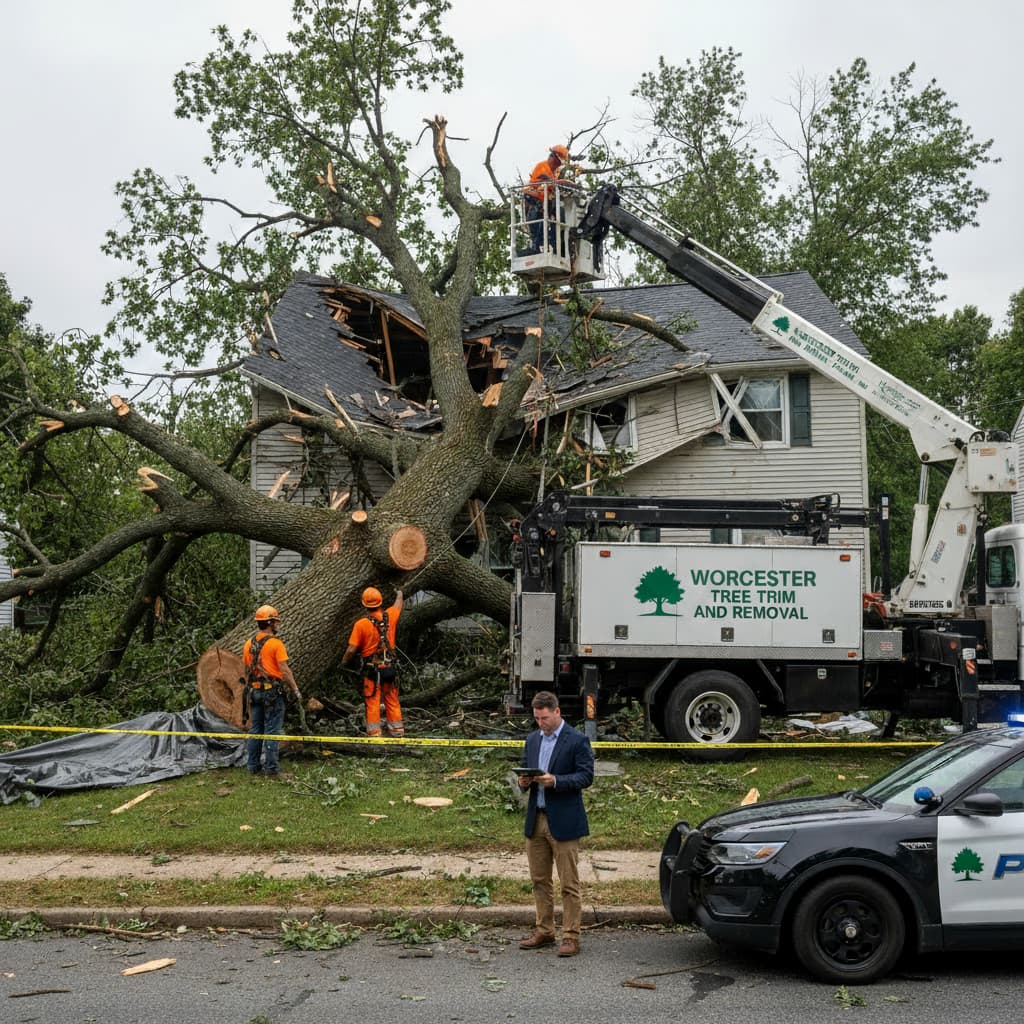
Storm damage or rapid decline may require emergency removal of the tree before a complete assessment can be performed. Qualified evaluators can assist in distinguishing genuine emergencies from situations that afford sufficient time for a complete assessment and treatment planning.
Financial Analysis
Treatment expense evaluation includes both immediate treatment costs and ongoing maintenance costs. Some tree problems require continued management that may be more costly than removal and planting a new tree over time.
Value Assessment
Value assessment includes consideration of the benefits of having a tree, including energy conservation, property valuation, and aesthetic appeal. Mature trees providing significant shading or screening may justify large treatment expenditures, while young or easily replaced trees will likely not justify costly treatments.
Benefit-Cost Analysis
Treatment cost-benefit analysis estimates the probability of successful treatment and the length of time the treatment will extend the tree’s life. Successful treatments with short-term benefits are generally less cost-effective than removal and planting a new tree with similar specifications.
Recovery Potential
Tree health assessment evaluates the potential for recovery based on the tree’s current health, species characteristics, and environmental factors. Some trees exhibit great resiliency and can recover from severe stress with proper care, while some trees lack the vigor necessary to respond positively to treatment.
Species and Age Factors Influence Treatment Success Rates
Young, vigorous trees tend to respond well to treatment, while older trees approaching the end of their natural life span may not have sufficient stored energy to respond positively to treatment.
Environmental Conditions Impact Treatment Outcomes
Trees growing in optimal conditions with sufficient space and resources tend to respond better to treatment than trees growing in poor conditions and experiencing additional stressors related to their environment.
When to Perform Tree Health Assessments
Timing of tree health assessments will maximize diagnostic accuracy and treatment success while reducing costs and risks. Understanding the optimum time frames for performing assessments will enable property owners to manage their trees proactively instead of reactively.
Seasonal Evaluation Considerations
Spring assessments will allow for early identification of winter damage, disease emergence, and changes in growth habit that signal developing problems. Spring evaluations will also enable timely treatment during the tree’s active growth period.
Summer evaluations will identify water stress, pest activity, and disease progress that may not be evident during dormancy. Summer evaluations will also enable assessment of crown density, leaf quality, and overall vigor that affect treatment decisions.
Fall assessments will provide a clear view of branch structure and enable assessment of potential storm-damage risks before severe weather events occur. Fall assessments will also provide the opportunity to safely remove hazardous trees before winter storms pose safety risks to people and property.
Winter assessments will focus on structural integrity and enable assessment of problems that require attention before spring growth commences. Winter assessments will also provide optimal visibility for detecting structural flaws obscured by foliage.
Regular Monitoring Programs
Long-lived trees benefit from regular assessment programs that monitor changes over time and detect developing problems before they reach a severe state. Property owners with numerous valuable trees may find it desirable to establish annual or biennial monitoring programs that alert them to potential problems.
Frequency of evaluation should relate to the value of the tree, the location, and the owner’s comfort level with risk.
Documenting assessment findings will enable property owners to monitor the changes in their trees’ condition and evaluate the effectiveness of previous treatments over time. Documenting assessment findings will enhance the decision-making process for subsequent assessments and treatments.
Professional Assessment Services
Accurate tree health assessment requires specialized knowledge, extensive experience, and often sophisticated diagnostic equipment to accurately evaluate the tree and provide valid recommendations for treatment vs. removal.
Certified Arborist Training and Experience
Certified arborists receive training in standardized assessment techniques and diagnostic methodologies that ensure comprehensive assessments that adhere to industry best-practices. ISA certification requires ongoing continuing education to keep professionals current with evolving assessment techniques and treatment options.
Local Growing Conditions, Disease Pressures, and Environmental Stressors
Certified arborists in Massachusetts understand local growing conditions, common disease pressures, and environmental stressors that impact tree health and treatment success in central Massachusetts.
Professional assessment will include a written report detailing the findings of the assessment and will provide clear and concise recommendations for treatment or removal decisions. Written reports serve as valuable documentation for insurance purposes and for long-range tree-management plans.
Advanced Diagnostics
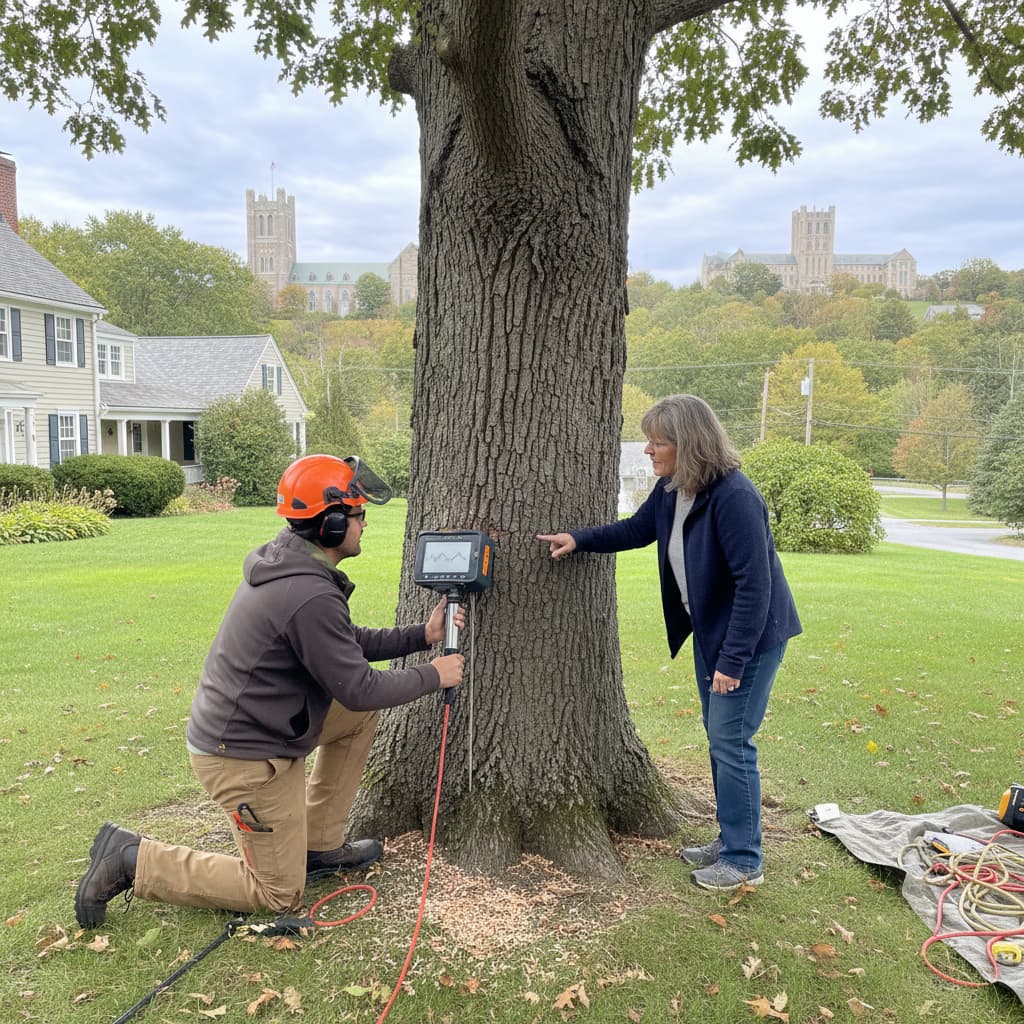
Specialized equipment, including resistograph drilling, sonic tomography, and root collar excavation, provides information regarding internal tree condition that visual assessment cannot provide.
Diagnostic capabilities are particularly useful for high-value trees where large investments in treatment justify a thorough evaluation or where safety considerations require detailed structural analysis before removal.
Integration of Technology Enhances Accuracy and Provides Quantitative Data
Combining technology with traditional assessment techniques will enhance assessment accuracy and provide objective data supporting treatment vs. removal recommendations based on measurable data rather than observation-based opinions.
Making Informed Decisions
A professional tree health assessment provides the base for making informed decisions relative to investments in tree care and when to remove a tree. Worcester Tree Trim and Removal uses certified arborist expertise combined with a working knowledge of local conditions to provide a tree health assessment service that will assist property owners in making informed decisions about the valuable tree resources on their properties.
Planning for Long-Term Tree Care
A comprehensive assessment will facilitate the creation of long-term tree care plans that allocate available resources in an efficient manner and sustain the beauty of the landscape over time. Understanding the condition of the tree and its prognosis will enable property owners to plan for and budget for required care and schedule replacements at the right times.
Prioritizing Trees
Using assessment as a basis for establishing priorities will aensurethat limited resources are directed toward trees with the highest likelihood of achieving positive results.
Worcester Tree Trim and Removal offers a comprehensive assessment service that evaluates all aspects of a tree that affect treatment vs. removal decisions, enabling property owners in Central Massachusetts to make informed decisions that protect their financial investment and preserve safe and attractive landscapes.
LATEST POSTS